

hliqp.over-blog.com/
14 Janvier 2021

There are a number of different ways to lock or sleep your screen in macOS. Before we show them to you, however, it's important to make the distinction between locking your screen and just putting it to sleep.
If you lock your Mac you'll put it to sleep and need to type in your login password on your Mac's lock screen (or unlock it with TouchID on a MacBook Pro with Touch Bar, or with an Apple Watch). If you put it to sleep, you won't necessarily lock it. In order to lock your screen, you need to set up the password in System Preferences. Here's how to do that.
To Lock: There are two ways to manually lock your screen for these Mac computers: Method 1. Using the Menu Bar on the upper right of the display screen. Click on the open lock. Using the Keyboard. If your Mac has an internal Optical Drive and an Eject key: Use the keyboard shortcut of holding down the Control+Shift+Power keys at the. Lock the screen using the Apple menu option If you'd rather not risk shutting down your application by accident, or prefer to use your trackpad or mouse, then there's another equally simple way to.
Now, whenever your Mac goes to sleep or a screensaver starts, it will lock and you'll have to authenticate with your user password, Apple Watch or TouchID to gain access.
Worried about your Mac's security in public places? Get Beepify, a Setapp app that protects your Mac from theft.
Download Beepify FreeIf you have a MacBook, a MacBook Air or a MacBook Pro, the quickest and easiest way to lock your Mac is just to shut the lid. When you do that, the Mac goes to sleep and when you open it again you'll need to unlock it.
However, there are occasions when you'll want to prevent anyone from seeing the screen without actually closing it. And, in any case, if you have an iMac, Mac mini or Mac Pro, it's not an option. Here are some other ways you can lock your Mac's display.
Go to the Apple menu and choose Sleep. This will display the login screen for your account and won't unlock with a password (unless you're wearing an Apple Watch when you do it and then it will lock and unlock immediately)
Tip: If you want your Mac to remain locked even when you're close by and you have an Apple Watch, go to System Preferences>Security & Privacy>General and uncheck the Allow your Apple Watch to unlock your Mac option.
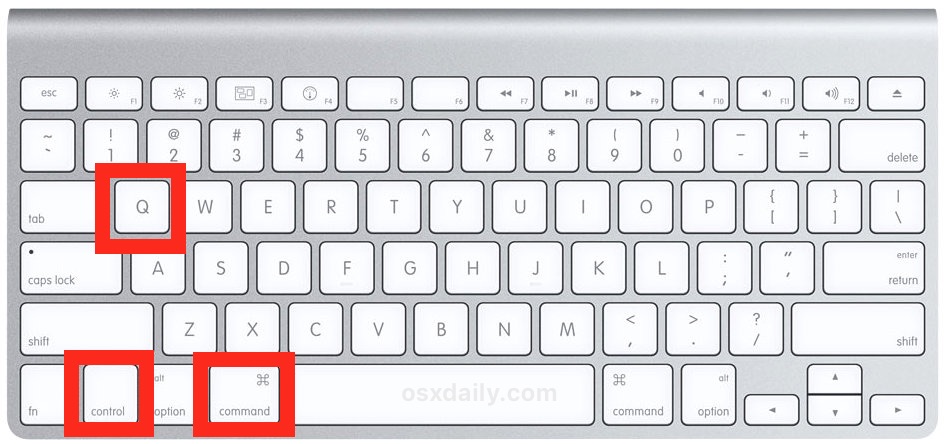
If you're using a Mac that's running macOS Catalina, go to the Apple menu and choose Lock Screen or press Command+Control+Q. This will lock your Mac and return you to the Login screen.
How to minimize all open windows on mac. For older versions of the operating system, press Control+Shift+Power Invisor 3 13 download free. button (or Control+Shift+Eject if your Mac has an optical drive). It will lock the screen.

You can also use a keyboard shortcut to put your Mac to sleep. Press Command+Option+Power (or Eject). This works in a similar way to the previous one, but rather than just lock your Mac it powers down the hard drive, puts the CPU into low power mode and stops background tasks in order to save energy.
Hot corners allow you to drag to the mouse pointer to one of the four corners of the screen to initiate an action – you can use one as a sleep shortcut on your Mac. Best archive program for mac. To set it up:
https://benonmaistouf1980.mystrikingly.com/blog/precious-disk-1-1-0. Fast user switching allows you to quickly log into another user account on your Mac. But you can also use it to return to the log in window, which locks your Mac. Got to System Preferences>Users & Groups and click the padlock, then type in your password. Click Login Options and check the box next to ‘Show fast user switch menu as.' You can also choose whether to show the menu as your full name, the account name or an icon.
To lock your Mac, click the fast user switching menu at the right of the menu bar and choose Login Window…
This option was removed in macOS Mojave but works on versions before High Sierra:
First of all, fet a Finder-like Terminal for Mac that will help you completely control the login settings. It's called MacPilot. The app covers over 1,200 hidden macOS features. For privacy, you can go into the Login tab and customize access by users, enable the option of automatic screen locking, and edit launch items.
If you're looking for physical protection of your Mac, Beepify is the app you need. Whenever you have to step away from the computer in a public place, activate Beepify and it will be set to produce a loud sound in case someone tries to close the screen or disconnect charger.
One of the main reasons for locking your Mac when you step away from it is to stop prying eyes accessing your files, browser history, or anything else you don't want them to see. CleanMyMac X has a tool that gives you even more privacy protection.
CleanMyMac's Privacy tool allows you to quickly delete your browser history in Chrome, Firefox, and Safari. But it also allows you to delete message threads and attachments in Messages, and to remove entries from macOS' recent files lists.
Also, CleanMyMac's Shredder is a quick and easy way to securely delete sensitive data. You can download CleanMyMac for free and give it a try.
As you can see, putting your Mac to sleep or locking it is very easy. There are lots of different ways to do it, although some are dependent on the version of macOS you're using. If you regularly lock your Mac to prevent others accessing it, you should ensure your login password is strong and secure.
Finally, if privacy is important, CleanMyMac has a couple of tools that can help delete sensitive data.
This article applies to: Secure Your Computer and Mobile Device
When you leave your computer, it's best to start a screen saver that can only be turned off with a password. You should set up a screen saver that will start after your computer has been idle for a set interval (15 minutes or less).
You can also lock your screen manually using a Hot Corner.
When your computer has been inactive for the set interval, the screen saver starts. Your password is required to start using the computer again.
Next, set up a Hot Corner so you can quickly activate the screen saver when you leave your computer.
If you've set up a Hot Corner using the previous procedure, you can use this procedure to lock your screen without waiting for the screen saver to start.
The screen saver starts. Your password is required to start using the computer again.
When you walk away from your desk for a restroom break, lunch, or another reason, you run the risk of prying eyes viewing your work and personal data. This is especially important in an office, a library, or if you have a particularly nosy cat. Here's how to quickly lock your Mac before leaving your desk.
First, make sure your Mac has password protection enabled. To do this, go to 'System Preferences' -> 'Security & Privacy' -> 'General.' Click the 'Require password' checkbox.
While you're here, set your computer to require the password either immediately to within 5 seconds after the screen goes dark. Even though you can set the password to be required after up to 8 hours after it goes to sleep or the screen saver kicks in, immediately or 5 seconds is the most secure choice. It's just another layer of protection.
Once you've configured those settings, you can close the System Preferences window.
To lock your Mac until you need to access it again, simply press the following key combination: Control + Shift + Eject (or Power, depending on the age of your Mac, or if you're using an external keyboard on a MacBook). Ds audio thorn 1 2 1. Your computer will lock and the screen will go dark until you move your mouse or tap a key on the keyboard. You'll then need to enter your password to unlock the computer.
When locking your machine, your apps can continue to run while your computer is locked. This allows you to leave your desk while you're uploading a file or a similar task.


/image%2F6202801%2F20210218%2Fob_094c41_mac-os-x-el-capitan-dmg-direct-downloa.jpeg)
/image%2F6202801%2F20210218%2Fob_fdded0_cod-modern-warfare-3-mac.jpeg)
/image%2F6202801%2F20210218%2Fob_0a855e_ftp-filezilla-mac-download.png)
/image%2F6202801%2F20210218%2Fob_155f13_how-do-you-download-apps-on-a-mac.png)